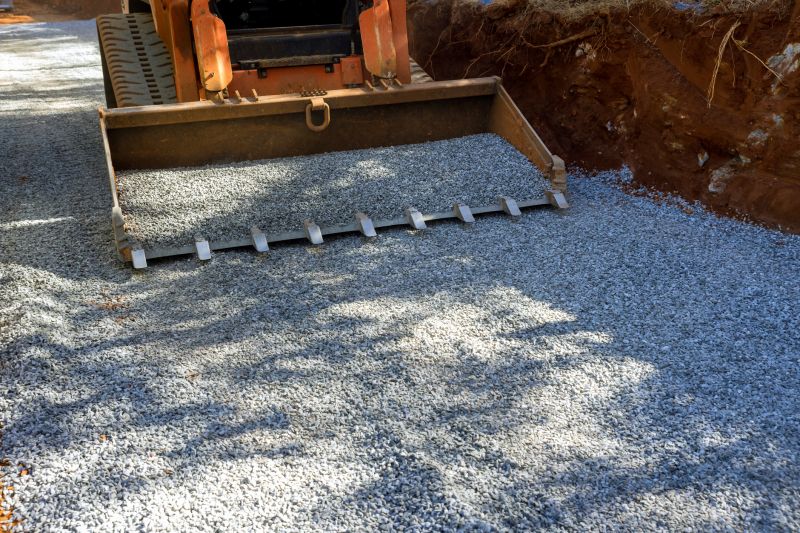
Driveway Grading in Houston, TX
Driveway grading services involve leveling and shaping the surface of a driveway to ensure proper drainage, stability, and an even appearance. This process is often requested for new driveway installations, existing driveways that have developed uneven spots or ruts, or after construction projects that disturb the original surface. Property owners typically seek driveway grading to prevent water pooling, reduce the risk of erosion, and improve the overall functionality and appearance of their driveway.
Before requesting driveway grading, property owners usually want to understand the current condition of their driveway, including any areas that are sinking, cracking, or holding water. It’s also helpful to consider the type of driveway material, the slope needed for effective drainage, and whether additional work such as gravel addition or compaction is recommended. Clear information about the project scope and desired outcomes can help ensure the driveway is properly shaped and maintained for long-term performance.
Many property owners in Houston, TX look into Driveway Grading for repairs, replacements, upgrades, and appearance-related improvements.
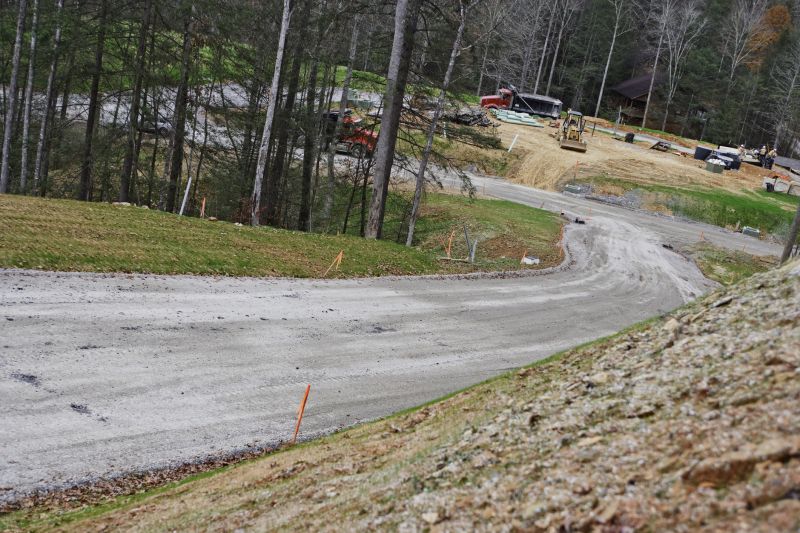
Ensuring Proper Drainage
Driveway grading helps direct water away from your property to prevent erosion and pooling.
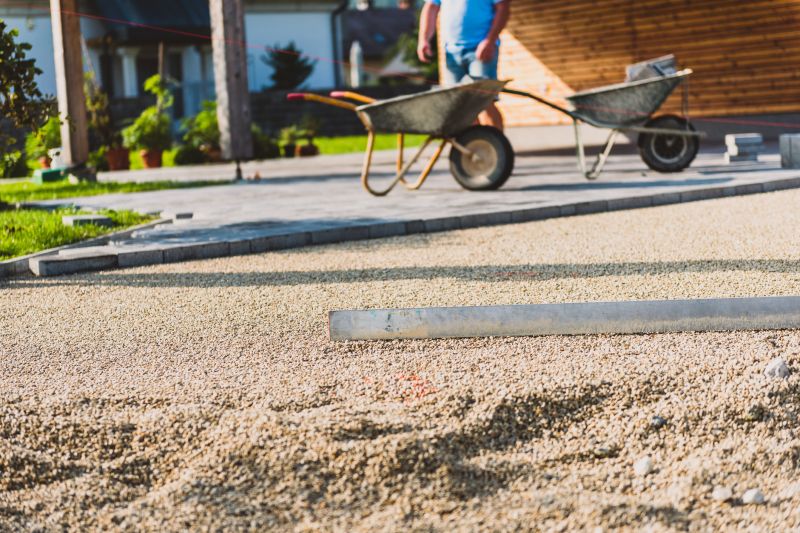
Improving Driveway Longevity
Proper grading creates a stable surface that reduces cracks and extends the lifespan of your driveway.
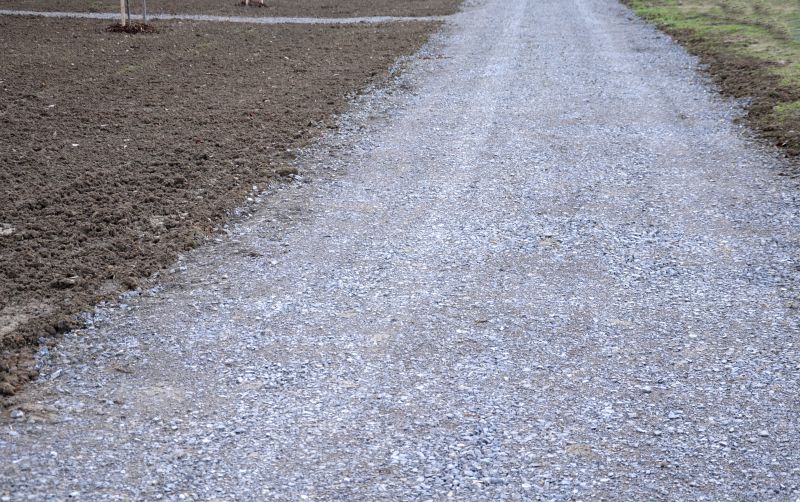
Enhancing Property Safety
A well-graded driveway provides a smooth, even surface for safe vehicle and pedestrian access in houston area homes.
Driveway Grading in Houston, TX

Driveway grading services involve leveling and shaping the surface of a driveway to ensure proper drainage, stability, and an even appearance. This process is often requested for new driveway installations, existing driveways that have developed uneven spots or ruts, or after construction projects that disturb the original surface. Property owners typically seek driveway grading to prevent water pooling, reduce the risk of erosion, and improve the overall functionality and appearance of their driveway.
Before requesting driveway grading, property owners usually want to understand the current condition of their driveway, including any areas that are sinking, cracking, or holding water. It’s also helpful to consider the type of driveway material, the slope needed for effective drainage, and whether additional work such as gravel addition or compaction is recommended. Clear information about the project scope and desired outcomes can help ensure the driveway is properly shaped and maintained for long-term performance.
Many property owners in Houston, TX look into Driveway Grading for repairs, replacements, upgrades, and appearance-related improvements.
Common Driveway Grading Jobs
Driveway grading - ensures proper slope and drainage for a stable, even surface.
Residential driveway grading - prepares driveways for smooth access and reduces pooling of water.
Uneven driveway correction - levels out dips and high spots to improve safety and appearance.
Driveway extension grading - prepares new sections for proper alignment with existing pavement.
Drainage improvement - directs water away from the driveway to prevent erosion and damage.
Driveway restoration - repairs and regrades existing surfaces to extend their lifespan.
Driveway Grading Questions
What is driveway grading? Driveway grading involves leveling and shaping the surface to ensure proper drainage and a smooth appearance.
Why is driveway grading important? Proper grading prevents water pooling, reduces erosion, and extends the lifespan of the driveway surface.
What types of driveways benefit from grading? Driveways with uneven surfaces, cracks, or signs of shifting often require grading to restore stability.
How often should driveway grading be performed? Regular inspections can identify when grading is needed, typically after severe weather or noticeable unevenness.
Request Driveway Grading in Houston, TX
Use the quote form on this page to share the basics of your project and request more information for the type of work you need.